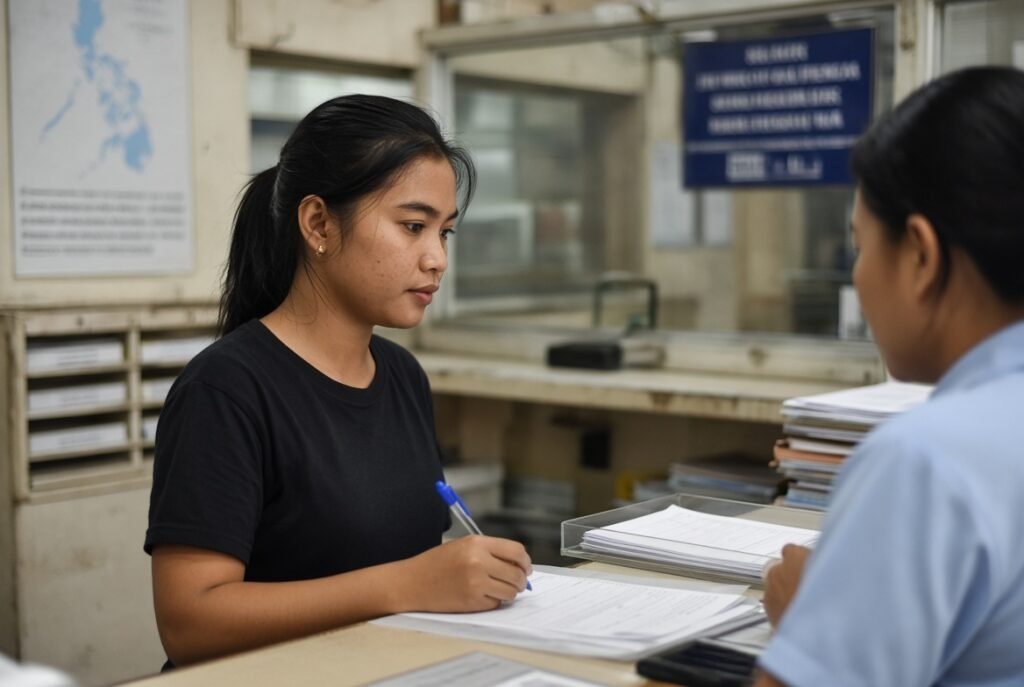
A Postal ID application today follows a short, standardized list of requirements set by the Philippine Postal Corporation (PHLPost) in Circular No. 25-48, dated 20 March 2025. You appear in person, bring one proof of identity and one proof of address, and have your photo, fingerprints, and signature captured at a post office site. Then PHLPost delivers the card to your address, which is part of how it verifies where you live.
Why the Postal ID is still useful
PHLPost resumed issuing the Postal ID, officially called the Postal functional card, on 15 October 2024 at capturing and registration post offices nationwide. The agency describes it as a government-issued ID and an address verification system. Because PHLPost mails the card to the holder, it doubles as proof that mail reaches you at that address. Banks value that for know-your-customer checks.
PHLPost also says the Postal ID is a primary document for DFA passport applications, and that institutions can check its authenticity through the PID Online Verification System. That makes it a solid second ID alongside the National ID. Our guide to valid government IDs explains how it compares with other cards.
Postal ID application requirements
Under Circular 25-48, every new applicant must:
- Appear personally at a capturing post office.
- Submit one accomplished application form, written in bold letters with black or blue ink.
- Present one proof of identity, such as a PSA birth certificate, National ID, UMID card, driver’s license, passport, or another government-issued ID with your photo and signature.
- Present one proof of address, such as a barangay certificate of residency, utility bill, lease contract, land title, school billing statement, or another recognized proof of residence.
PHLPost stressed in August 2025 that these requirements are standardized and that no additional documents should be imposed beyond the official list. If a post office asks for something extra, politely mention the circular.
Special cases that need one more document
The circular lists a few situations that need supporting papers:
- a married woman using her husband’s surname brings the marriage certificate;
- a widowed applicant brings the spouse’s death certificate, and an annulled applicant brings the annulment decree;
- a divorced applicant brings the divorce decree;
- a naturalized Filipino brings the naturalization certificate.
Bring PSA copies where they exist. If you need a new one, our guides on the PSA marriage certificate and the PSA birth certificate explain how to order them.
A valid ID is not required to apply
Since the list of proofs of identity includes the PSA birth certificate, you can apply for a Postal ID even if you have no other photo ID. That is the main reason first-time ID holders, students, and people starting over after losing their documents choose it. Combine the birth certificate with a barangay certificate of residency as proof of address, and you meet both requirements.
For the barangay paper, see our barangay certificate of residency guide. Ask the barangay to state the purpose as “Postal ID application”.
How the Postal ID application goes at the post office
- First, get the application form at the post office or download it from the PHLPost website. Fill it in neatly, since unclear handwriting causes encoding errors.
- Submit the form with your proof of identity and proof of address at the Postal ID window.
- Pay the fee and keep the official receipt.
- Have your photo, fingerprints, and signature captured on-site.
- Wait for PHLPost to deliver the card to your mailing address, or claim it where same-day release is offered.
PHLPost reminds applicants that transactions happen on-site or directly with the post office. No legitimate Facebook “assistance” service processes Postal IDs for you.
Fees, rush processing, and same-day release
The Philippine Information Agency has reported PHLPost fees of ₱550 for regular processing and ₱650 for rush processing. You pay fees at the post office. So confirm the amount on the official receipt and the notice at the window, especially since rates can change.
PHLPost has also offered same-day release at selected sites, with news reports naming SM City Manila and Robinsons Otis in Manila. These sites have morning cut-offs and afternoon release times. Because the list of same-day sites changes, check PHLPost’s official Facebook page or call the branch before you travel.
Validity and renewal after your Postal ID application
PHLPost states that government and financial institutions honor the Postal ID card in transactions within its three-year validity period. So mark the expiry date in your phone and renew a few weeks early, since banks will refuse an expired card.
In general, renewal follows a similar process at a capturing post office. Bring your old card along with a proof of identity and proof of address, and check whether any of your details have changed. If you married or moved, bring the documents that support the change.
Filling in the form correctly
Write your name exactly as it appears on your proof of identity, including the full middle name. Also give a complete mailing address with house number, street, barangay, city, and ZIP code, because the card travels by mail. Finally, include a mobile number you will keep, so the carrier or branch can reach you.
Mobile enrollment and barangay sites
PHLPost has said it will offer mobile Postal ID enrollment in barangays, companies, organizations, and events. It also said it will designate barangays as capturing and registration sites through its Barangay Postal Stations. If PHLPost announces a mobile enrollment for your area, it can save a trip to a busy city post office.
Ask your barangay hall or employer whether one is planned. The same requirements apply at mobile sites.
Postal ID application tips for students and seniors
For students, a Postal ID application is often the first step toward a photo ID that works outside school. Bring a PSA birth certificate and a proof of address, which for many students is a barangay certificate or a school billing statement. Minors should check with the post office about age requirements and whether a parent must accompany them.
For seniors, the card is a useful backup to the OSCA ID when dealing with banks. If mobility is a concern, ask whether the post office has a priority lane, which many government offices provide for senior citizens and PWDs.
How long delivery takes
For regular processing, PHLPost prints the card centrally and then mails it to the address on your form. Delivery time therefore depends on your location and on the carrier’s route. Applicants in remote barangays should expect a longer wait than those in city centers. Keep your official receipt, because it is your proof of application if you need to follow up.
If the card does not arrive within the period the post office quoted, visit or call the branch where you applied and give your receipt details. As a result of the address-verification design, a card returned as undeliverable is a signal that your mailing address needs correcting. Fix the address before asking for redelivery.
What to do if your details change
Because the Postal ID is an address verification card, a change of address makes your current card less useful even before it expires. In that case, apply for a new card with proof of your new address. A new card should reflect a change of surname after marriage, supported by the marriage certificate. Otherwise, your Postal ID will no longer match your other IDs, which causes problems at banks and at the DFA.
Fake Postal ID sellers
PHLPost has repeatedly warned the public not to buy Postal IDs online or on Facebook Marketplace. It also warned the public not to trust pages offering “Postal ID assistance”. The only legitimate route is a capturing post office. A fake card can expose you to identity theft, and using one is a crime.
The official PHLPost channels never ask for your personal information through private messages. If someone does, report the page and do not reply.
Postal ID application for OFWs and returning residents
OFWs on vacation sometimes apply for a Postal ID so they have a local ID that is not their passport. Since capture is done in person, plan the application early in your stay, and choose regular or rush processing depending on how long you will be home. If the card will arrive after you fly out, ask a family member at the same address to receive it. Alternatively, apply at a same-day release site if one is reachable. Returning residents who have been abroad for years can use a PSA birth certificate as proof of identity if their old Philippine IDs have expired.
Common reasons a Postal ID application is returned
- A form written in pencil or in faint ink.
- A proof of address in someone else’s name without supporting explanation.
- A married surname on the form without the marriage certificate.
- An incomplete mailing address, which can cause the card to be returned undelivered.
For appointment planning across several offices, our document prep checklist lists what to photocopy and bring.
Last checked against the PHLPost notices “PHLPost Simplifies Postal ID Application for All” (August 2025) and “PHLPost announces the resumption on the issuance of Postal ID”, plus the PIA report “PHLPost fast-tracks same-day postal ID applications”, on October 2026. Fees and same-day sites are set by PHLPost and can change.