The social pension for indigent senior citizens is a monthly cash assistance of ₱1,000. The Department of Social Welfare and Development (DSWD) gives it to poor Filipinos aged 60 and above to help with food, medicine, and other daily needs. The Expanded Senior Citizens Act of 2010 (RA 9994) created it. Later, RA 11916 raised it from ₱500 to ₱1,000 a month. It is not the same as an SSS or GSIS pension, and in fact, receiving one of those usually disqualifies a senior from it.
Who qualifies for the social pension
According to the DSWD’s procedure for the Social Pension for Indigent Senior Citizens (SPISC), a beneficiary must be:
- 60 years old or above, indigent, and frail, sickly, bedridden, or with a disability;
- without a permanent source of income;
- without regular support from family or relatives for basic needs; and
- not receiving a pension from GSIS, SSS, the Philippine Veterans Affairs Office (PVAO), the Police Mutual Benefits Association, or any other insurance company or agency.
DSWD checks all four conditions during validation. As a result, a senior with a small SSS pension usually will not qualify. The same goes for one whose children send regular support, even if the household is struggling.
Social pension versus the SSS pension and Senior Citizen ID
Three things are often confused. The SSS retirement pension is an earned benefit for people who contributed while working; see our SSS retirement pension guide. The Senior Citizen ID from your city or municipality’s Office for Senior Citizens Affairs (OSCA) gives discounts to all seniors, rich or poor; see our Senior Citizen ID guide. The social pension, on the other hand, is a needs-based grant for indigent seniors only.
In practice, the Senior Citizen ID is the easiest document to show your age when applying, so get it first if you do not have one yet.
What to prepare for a social pension application
The DSWD procedure lists two requirements:
- one photocopy of the OSCA ID or any valid government-issued ID showing the senior’s birth date, such as a PhilSys ID, driver’s license, PhilHealth ID, voter’s ID, postal ID, or senior citizens federation ID; and
- one original copy of the fully accomplished and signed Social Pension Application Form.
DSWD also encourages applicants to bring the original ID for verification. The application form is available from the offices listed below. There are no fees at any step.
Where to apply for the social pension
You can submit the application to any of these:
- the Barangay Senior Citizens Association (BSCA);
- the Office for Senior Citizens Affairs (OSCA) at the city or municipal hall;
- the Local Social Welfare and Development Office (LSWDO); or
- the DSWD Field Office, through its Regional Social Pension Unit.
According to DSWD, filing through the barangay association, OSCA, or LSWDO is the most commonly used route. The DSWD Central Office does not process applications itself; it forwards them to the field office. Family members may help a bedridden senior fill out and submit the form.
Social pension validation and the home visit
After filing, the application goes through validation. DSWD staff work with the OSCA or LSWDO to confirm the information using a General Intake Sheet. Under the procedure, they validate it through an interview during a home visit. The result forms the final list of beneficiaries. DSWD then encodes it in its Social Pension Information System and cross-checks it.
Slots depend on the national budget, so some approved applicants go on a waitlist. They join as funds or slots open, for example when DSWD delists existing beneficiaries. Ask your OSCA about your status if months pass without news.
Getting notified
Once DSWD approves a senior, the OSCA head sends a letter, text or email. Keep your contact number updated with the OSCA, especially if you use a relative’s phone. Missing a notice can mean missing a payout. It therefore helps to ask the barangay senior citizens association to tell you when your area’s payout dates come out.
How the social pension is paid
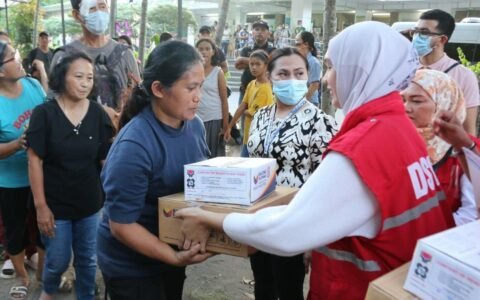
DSWD uses two payment modes: cash payouts by DSWD disbursing officers, and transfer of funds to LGUs, which then handle the payout. The DSWD field office sets schedules with each LGU, so the frequency and venue differ from town to town. A payout for one barangay can take a whole day, and covering a whole municipality can take up to five days.
On payout day, the beneficiary presents the original or a photocopy of their OSCA ID or another valid ID showing their birth date. DSWD or LGU staff usually give a short orientation before releasing the stipend.
Before leaving home on payout day, run through a short checklist. Bring the OSCA ID or other valid ID with the birth date. If a relative will claim the social pension for a sick senior, prepare the authorization letter and the relative’s own ID. Arrive early as well, since queues can be long and payouts for a whole barangay may take the entire day.
When someone else must claim it
If the senior cannot attend, an authorized representative may claim the stipend. The representative must bring:
- their own valid government-issued ID, or another valid certificate such as a birth certificate;
- the beneficiary’s OSCA ID or valid government ID; and
- an authorization letter from the beneficiary naming the representative and stating why the senior cannot claim in person.
Prepare the letter in advance, and have the senior sign or thumbmark it. If the senior is bedridden, mention that in the letter, since it explains the absence clearly. For general tips on authorization letters, see our government ID and document prep checklist.
A worked example
Consider Lola Remedios, 74, who lives with her widowed daughter, a part-time laundry worker. She has arthritis, never worked in a job covered by SSS, and has no pension. First, her daughter gets the Social Pension Application Form from the barangay senior citizens association and fills it out with her. Next, they attach a photocopy of Lola’s OSCA ID and submit it to the OSCA. A few weeks later, a social worker visits their home for the interview. After approval, she gets a text from the OSCA with the payout date. On payout day, she brings her OSCA ID; if she is too ill, her daughter can claim it with an authorization letter.
If the application is not approved
Validation may find a senior ineligible. Often, the reason is regular support from a family member or a pension in the records. If you think the assessment was wrong, ask the OSCA or LSWDO which criterion you did not meet. Then ask whether they can consider new information, such as proof that a child stopped sending support or that a pension ended. Since removed or inactive seniors can reapply, ask again when circumstances change. Keep copies of everything you submit, and note the names of the staff you speak with.
Helping a parent apply from far away
Many seniors live in the province while their children work in Metro Manila or abroad. In that case, a relative or neighbor can usually help fill out the form. They can also go with the senior to the barangay association or OSCA. Meanwhile, the child can call the OSCA to ask about requirements and follow up on the status. Bear in mind that regular remittances from children count as family support. So be honest during the interview, because misrepresentation can lead to removal from the program.
Reasons seniors are delisted
DSWD can remove a senior who no longer meets the criteria. For example, this happens when they start receiving an SSS, GSIS, or other pension. A regular income or regular family support has the same effect. Death of the beneficiary also leads to delisting, after which the slot may go to a waitlisted senior. Seniors who were removed or became inactive can reapply following the same steps.
Keeping the record up to date
Once enrolled, tell the OSCA about any change in address, contact number, or circumstances. If the senior moves to another city, the record must move too, and payouts in the old town stop. If the name on the ID differs from the name on the list, fix it early. Staff check identity before releasing cash, so even a misspelling can delay payment. A PSA birth certificate is usually the best document for correcting such errors.
Other help for seniors
Many LGUs give their own cash gifts or birthday incentives to seniors, separate from the national social pension. Ask your OSCA what your city offers. Seniors facing hospitalization or another emergency can also ask DSWD for crisis help; see the DSWD page on AICS. All seniors are also covered by PhilHealth under the law; our guide to the PhilHealth Member Data Record explains how to check coverage.
Watch out for scams
The social pension has no application fee, and no one can sell a slot. Be wary of people who promise faster inclusion for a payment, or who ask for a senior’s ID and cash card “for processing.” Report such offers to your OSCA or the DSWD field office.
Last checked against the DSWD Social Pension Program page and the DSWD NCR SPISC procedure on October 2026. Each locality sets its own payout schedule, so ask your OSCA for the next date.