Use this checklist of travel requirements to Philippines entry so you do not miss a document before your flight.
Planning a trip home or a first visit to the Philippines? Whether you’re a balikbayan flying back to see family, an OFW coming home on vacation, or a foreign traveler booking your first Philippine holiday, the entry rules have changed quite a bit over the past couple of years. The paper arrival card is gone. The government has updated the visa-free list, and a few nationalities now face shorter stays than before.
This guide breaks down everything you need to know about travel requirements to Philippines 2026. It covers the mandatory eTravel registration, passport validity, visa-free entry periods, the balikbayan privilege, travel tax, and customs rules. Bookmark this page before you book your flight.
1. eTravel Registration for Arrivals and Filipino Departures
Among all travel requirements to Philippines entry, the single biggest change to Philippine entry procedures in recent years is the eTravel system. It replaced the old paper arrival and departure cards. As of 2026, eTravel remains mandatory, and there have been no announcements about suspending or removing it.
- Under the official eTravel FAQ, registration is required for all arriving passengers and crew, Filipino or foreign, and for departing Filipino passengers. Foreign diplomats, 9(e) visa holders and holders of diplomatic or official passports are exempt.
- Register within 72 hours before your arrival or departure, through the official eTravel website or the eGovPH mobile app. It is free.
- You’ll need a valid email address, your passport number, and flight details such as the date, airline and flight number. Also have personal information ready, such as name, date of birth, citizenship, phone number, and home address. You’ll also need a short health declaration covering the countries you’ve visited in the past 14 days.
- Once you submit the form, you get a QR code. Save it to your phone or print it out. That is because immigration and airline staff may ask to see it at check-in and on arrival. Each family member, including children and infants, needs their own registration.
A word of caution: only use the official government portal. Several third-party websites have popped up charging unnecessary “processing fees” for something that is completely free through the official channel.
2. Travel Requirements to Philippines: Passport Validity and Visa-Free Entry
For most travelers, the Philippines remains one of the more relaxed countries in Southeast Asia when it comes to entry requirements. However, the specifics matter.
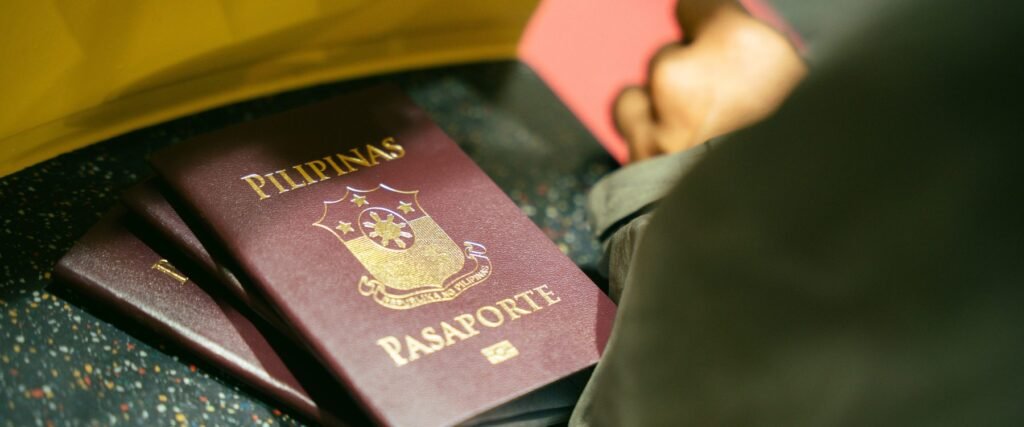
Passport validity. Your passport should be valid for at least six months beyond your intended stay in the Philippines. Airlines will often deny boarding if this requirement isn’t met, so check your passport’s expiration date well before you travel.
Visa-free countries. Nationals of countries listed under Executive Order 408 can enter without a visa for short visits. Because the list changes, check it with a Philippine embassy or consulate before you book.
Length of stay. Immigration grants most visa-free visitors 30 days on arrival. Two exceptions stand out in 2026. Under DFA press release PR-011-2026, Chinese nationals may stay visa-free for up to 14 days from January 16, 2026, entering only through NAIA or Mactan-Cebu, and that stay cannot be extended. The DFA has also announced a separate visa-free arrangement for Indian nationals with its own conditions.
If your nationality isn’t on the visa-free list, you’ll need to apply for a Philippine visa in advance through the nearest Philippine embassy or consulate. Where it is available for your nationality, you can also apply online at evisa.gov.ph.
Extending your stay. If you decide you want to stay longer than your initial visa-free period, you can apply for an extension at any Bureau of Immigration office in the Philippines. The first extension is a 29-day visa waiver, which the BI lists at ₱3,030 in total and which brings the stay to 59 days. After that, extensions continue up to 36 months for non-visa-required nationals and 24 months for visa-required nationals, according to the BI visa waiver page.
3. Proof of Onward Travel and Sufficient Funds
Two more travel requirements to Philippines entry come up at the immigration counter. Officers can, and sometimes do, ask for two additional things beyond your passport and eTravel QR code:
- A return or onward ticket showing you plan to leave the Philippines within your authorized stay. Open-ended one-way tickets without further documentation can raise questions at the immigration counter. So it’s safer to have a confirmed return or connecting flight booked.
- Proof that you can support yourself during your stay, such as a bank card or bank statement, plus your hotel booking.
Neither of these is a formal visa requirement. But travelers who arrive without a return ticket or any documentation of funds occasionally experience delays. In rare cases, officers ask them to purchase a ticket before letting them proceed.
4. The Balikbayan Privilege for Returning Filipinos and Their Families
If you’re a former natural-born Filipino citizen, including those who later became dual citizens under Republic Act 9225, you may qualify for the balikbayan privilege. That benefit matters a lot if you’re planning an extended stay.
Under this program, qualified balikbayans, along with their foreign spouses and children, and Overseas Filipino Workers coming home on vacation, receive a full one year of visa-free stay in the Philippines. No advance visa processing is required.
To claim the privilege at the airport, be ready to present a valid passport, whether Philippine or foreign. If you’re traveling on a foreign passport, bring along proof of Filipino citizenship or descent (an old Philippine passport, a Philippine birth certificate, or your RA 9225 Identification Certificate). You’ll also need a return airline ticket.
The balikbayan program also comes with a customs perk: qualified balikbayans can bring in up to three tax-exempt balikbayan boxes per year. They have a combined value cap of around 150,000 pesos (roughly 2,700 US dollars). These boxes must contain personal and household items only. The perk excludes commercial goods and weapons. Anything hazardous or otherwise prohibited will disqualify the shipment from tax-free treatment and may lead to confiscation.
5. Special Notes for OFWs
If you’re an Overseas Filipino Worker heading home for a visit, a few of the rules above work in your favor. You typically qualify for the balikbayan program’s one-year visa-free stay if you’re traveling on a foreign passport due to naturalization. You’re generally exempt from the Philippine travel tax altogether, discussed in more detail below.
It’s still a good idea to carry your OFW-related documents when you travel: your Overseas Employment Certificate (OEC) if applicable, and a valid employment contract, company ID, or passport showing a valid work visa or permit for your host country. These help immigration officers process you more quickly and confirm your OFW status if it’s ever questioned.
6. Health Requirements: What You Actually Need
Health travel requirements to Philippines entry are light. The Philippines does not currently require any specific vaccination or health certificate simply to enter the country. There is no yellow fever risk within the Philippines itself. So the Philippines does not require a yellow fever vaccination certificate from most travelers.
The exception applies if you are arriving from, or have transited through, a country with a risk of yellow fever, generally located in parts of Sub-Saharan Africa or tropical South America. In that case, Philippine quarantine authorities may ask you to present a valid International Certificate of Vaccination (the “yellow card”) on arrival. If you’ve had a layover, even a short one, at an airport in a yellow fever risk country, it’s worth checking current requirements before you fly. That is because airport transits can sometimes still trigger the rule.
Beyond that, there are no COVID-19 testing or vaccination requirements currently in effect for entry into the Philippines. However, this is always worth double-checking closer to your travel date. That is because health-related travel rules can change quickly in response to outbreaks.
7. Customs and Currency Declaration Rules
If you’re carrying cash, there are limits you should know about before you land or depart.
You must declare foreign currency exceeding the equivalent of 10,000 US dollars to customs, whether you’re arriving in or departing from the Philippines. Different rules apply to Philippine pesos: travelers may carry up to 50,000 pesos per person without prior approval. Anything above that amount requires written authorization from the Bangko Sentral ng Pilipinas (the central bank) before you travel. Customs can confiscate cash carried in excess of the peso limit without proper authorization at the border. So it’s not a rule to take lightly if you’re bringing home savings or gift money for family.
If your cash is above these limits, declare it at the Bureau of Customs counters at the airport or seaport. These travel requirements to Philippines customs apply both on arrival and on departure.
8. Philippine Travel Tax: Who Pays and Who’s Exempt
The Philippine travel tax surprises many travelers. It is a fee collected from most people departing the country by air or sea. As of 2026, the rates break down as follows:
| Traveler Category | Economy Class | First Class |
|---|---|---|
| Full Travel Tax (standard) | PHP 1,620 | PHP 2,700 |
| Standard Reduced (children 2 yrs 1 day–12 yrs) | PHP 810 | PHP 1,350 |
| Privileged Reduced (qualified OFW dependents) | PHP 300 | PHP 400 |
Some travelers are fully exempt from the travel tax altogether. These include OFWs themselves, Filipino permanent residents living abroad who are staying in the Philippines for less than a year, and infants aged two years old and under. Diplomats and certain government officials on official business may also qualify, along with qualified scholarship grantees.
You can pay the travel tax through your airline or travel agency at the time of booking, online through TIEZA’s Online Travel Tax Services System, or in person at a TIEZA counter at the airport or a TIEZA travel tax office. If you believe you qualify for an exemption or reduced rate, apply for the certificate in advance rather than sorting it out at the airport. That is because lines at travel tax counters can get long during peak travel seasons.
9. Quick Checklist of Travel Requirements to Philippines
Before you head to the airport, run through this list:
- Passport valid for at least six months beyond your stay.
- eTravel registration completed within 72 hours of your flight, with the QR code saved or printed.
- Return or onward ticket booked and ready to show if asked.
- Proof of funds available, just in case.
- Balikbayan documents ready if applicable (old Philippine passport, birth certificate, or RA 9225 certificate).
- Travel tax paid or exemption certificate secured, unless you’re exempt by default as an OFW.
- Currency declared if you’re carrying more than 10,000 US dollars or 50,000 pesos.
- Yellow fever certificate on hand only if you’re arriving from or transited through a risk country.
Final Thoughts on Travel Requirements to Philippines
The Philippines remains a welcoming destination. For most travelers, especially balikbayans and OFWs coming home, the process is genuinely straightforward once you know what’s expected. The biggest shift in recent years has simply been digital: eTravel replaces paper forms. The government has also adjusted the visa-free list for a handful of nationalities. Double-check your specific nationality’s stay length, get your eTravel done a few days before you fly, and keep your balikbayan or OFW documents within easy reach. Then your arrival in the Philippines should be smooth from the moment you land.
Where to verify travel requirements to Philippines entry
Always confirm travel requirements to Philippines entry on official pages before you fly. Check visas and entry rules with the Bureau of Immigration, and register on the official eTravel site, which is free. For more detail, read our visa and passport rules guide.