
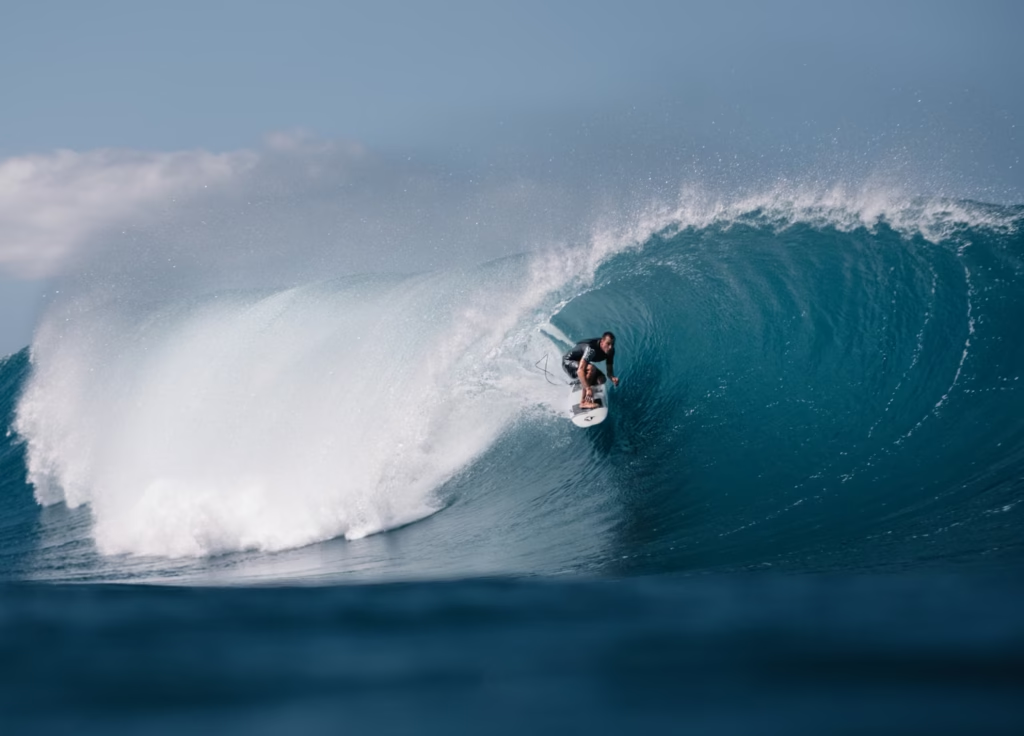
Siargao is a teardrop-shaped island off northeastern Mindanao, famous for the Cloud 9 surf break in General Luna. It also has lagoons, rock pools, mangroves and quiet island villages that suit non-surfers. This guide covers how to get to Siargao, where to stay, how to get around, and what to plan for the weather, with transport and legal details checked against official sources as of October 2026.
Getting to Siargao by air
Sayak Airport in Del Carmen is the island’s airport. Flights from Manila changed in 2026, though. Under a Department of Transportation slot resolution, turboprop flights had to move from NAIA to Clark. As a result, Cebu Pacific moved its Cebgo and AirSWIFT flights to Clark from March 29, 2026, and it lists Siargao among the affected routes. The airline says there are no longer direct NAIA flights for those destinations.
| Starting point | Option | What to check |
|---|---|---|
| Manila | Road transfer to Clark, then fly | Time for the trip north to Clark |
| Manila | Fly to Cebu, then connect to Siargao | Connection time between flights |
| Cebu | Direct flight | Baggage allowance on smaller aircraft |
| Mindanao | Fly, or ferry from Surigao City | Sea conditions on the crossing |
Smaller turboprop aircraft often have tighter baggage rules than jets. If you are bringing a surfboard, therefore, read the airline’s sports equipment rules before you book.
Getting to Siargao by sea
Ferries cross between Surigao City on mainland Mindanao and Dapa port on Siargao. Schedules change with the season and the weather, so check with the ferry operator or the port a day ahead. Sea travel is also suspended when PAGASA raises a wind signal, which is covered below.
Siargao weather and the best time to go
Siargao lies on the Pacific side of the country. Under the PAGASA climate classification, eastern Surigao falls under Type II, which has no dry season and its heaviest rain from November to January. In other words, a Siargao trip in December may be wetter than one in April or May.
- March to May: often the driest, calmest months for lagoons and island hopping.
- June to October: mixed weather; storms can still pass through.
- November to January: the rainiest stretch, with more risk of rough seas.
Surf conditions follow swell rather than the calendar, so check a surf forecast close to your dates. For typhoons, our typhoon season guide explains what each signal means for flights and ferries.
Cloud 9 and surfing in Siargao
Cloud 9 is a reef break in General Luna, reached by a boardwalk that also works as a viewing deck. It breaks over shallow reef, so it is best left to experienced surfers. Beginners, on the other hand, usually learn at gentler breaks with a local instructor.
- Take a lesson first if you have never surfed a reef.
- Ask about the tide, because shallow reef is more dangerous at low tide.
- Respect the line-up and local surfers, especially on busy days.
- Wear reef-safe sun protection and a rash guard.
Things to do in Siargao beyond the surf
Many visitors never touch a board. Instead, they spend their days on these:
| Spot | Area | Why go |
|---|---|---|
| Sugba Lagoon | Del Carmen | Boat trip to a clear green lagoon |
| Magpupungko Rock Pools | Pilar | Natural tidal pools, best at low tide |
| Naked, Daku and Guyam islands | Off General Luna | Classic island-hopping trip |
| Del Carmen mangroves | Del Carmen | One of the larger mangrove forests in Mindanao |
| Coconut palm viewpoints | Inland roads | Scenic stops on a scooter loop |
Entrance and boat fees at these sites are set by local governments and change from time to time. Pay only at official booths, and ask for a receipt. Lagoons and pools can also close for maintenance or bad weather, so ask your host before you set out.
Protected area rules
Siargao is covered by the Siargao Island Protected Landscape and Seascape, first proclaimed in 1996 and now one of the areas listed under the Expanded NIPAS Act (RA 11038). That law bans activities such as taking wildlife and damaging the habitat inside protected areas. So leave shells and corals where they are, and do not feed fish.
Where to stay on the island
| Area | Best for | Trade-off |
|---|---|---|
| General Luna | First-timers, surfers, food and nightlife | Busiest and most built-up |
| Del Carmen | Quiet stays near the airport and Sugba Lagoon | Fewer restaurants |
| Pacifico | A remote, slower pace | Long rides to the south |
| Pilar | Easy access to Magpupungko | Limited choice of stays |
For a first trip, General Luna makes the most sense because most tours and surf schools start there. Later, you might split a longer stay between General Luna and a quieter town.
Getting around Siargao
Most visitors rent a scooter, while others use tricycles and habal-habal motorbike taxis. Before you ride, though, know the rules:
- Licence: the LTO lets foreign tourists drive on their own valid licence for up to 90 days after arrival. Filipinos need a licence with the right motorcycle code.
- Helmet: the Motorcycle Helmet Act (RA 10054) makes standard helmets mandatory for riders and back riders.
- Roads: some are narrow and unlit, so avoid riding after dark if you are new to the island.
- Rain: wet roads get slippery, so slow down in a downpour.
Check the scooter’s brakes, lights and tires before you pay, and take photos of any damage. If you would rather not ride, hire a driver for the day through your host.
Money, signal and power
General Luna has the most services, but rural areas have far fewer. For that reason, carry enough cash for tours, fuel and small eateries, especially if you stay outside town. Mobile signal also weakens on remote roads, so download offline maps before you head out.
Power cuts can happen during storms. A charged power bank therefore helps keep your phone alive for maps and messages. Our Philippines packing list covers what else to bring for wet weather.
Staying safe in Siargao
Most trips go smoothly, but the island’s sea and roads call for some care. First, swim only where locals or your boat crew say it is safe, since currents can be strong near reef passes. Second, wear a life vest on island-hopping boats, especially when the sea turns choppy. In addition, keep valuables in a dry bag rather than on an open boat deck.
For emergencies anywhere in the country, dial 911, the national emergency hotline. It also helps to save your accommodation’s number and the address you are staying at, because rural places may not have clear street names. Travel insurance that covers water sports and motorbike riding is worth checking before you go, since many basic policies exclude them.
How many days to spend
Four days covers the main sights at a relaxed pace. A week, however, gives you spare days for weather and lets you add surf lessons or a second island-hopping route. Many travelers also stay far longer, so build in flexibility if your schedule allows.
Responsible travel tips
- Bring a refillable water bottle, because plastic waste is hard to manage on small islands.
- Use reef-safe sunscreen, or cover up with a rash guard to use less.
- Stay on marked paths in mangroves and at the rock pools.
- Book tours with operators who keep group sizes reasonable.
- Buy food and crafts from local vendors to spread tourism income.
A sample four-day Siargao plan
| Day | Plan |
|---|---|
| 1 | Arrive, check in at General Luna and watch the sunset at the Cloud 9 boardwalk |
| 2 | Island hopping to Naked, Daku and Guyam islands |
| 3 | Sugba Lagoon by boat from Del Carmen, then the mangroves |
| 4 | Scooter loop to Magpupungko at low tide, then head to the airport |
Keep one flexible day if you can. Weather can cancel boat trips, and a spare day lets you swap plans without missing a flight.
Common mistakes to avoid
- Booking a NAIA flight that no longer exists: check whether your flight leaves from Clark.
- Paddling out at Cloud 9 as a beginner: start with a lesson at an easier break.
- Visiting Magpupungko at high tide: the pools only appear at low tide.
- Riding without a helmet: it is required by law and protects you on rough roads.
- Running out of cash: bring enough for remote areas.
Local tip: Check tide times the night before. They decide the best hours for Magpupungko, Cloud 9 and many island-hopping stops.
Frequently asked questions
Are there direct flights from Manila to Siargao?
Cebu Pacific says its Siargao flights moved from NAIA to Clark from March 29, 2026. From Manila, you can therefore go through Clark or connect in Cebu.
Is Cloud 9 good for beginners?
No, it is a reef break for experienced surfers. Beginners should take lessons at gentler breaks.
When is the best time to visit Siargao?
March to May is usually drier and calmer. November to January is the rainiest period under PAGASA’s climate pattern for the eastern seaboard.
Can tourists rent a scooter in Siargao?
Yes. Foreign tourists can drive on a valid home licence for up to 90 days, and a helmet is required.
Based on Cebu Pacific’s Clark transfer notice, PAGASA’s climate classification, RA 11038, RA 10054 and LTO rules, as of October 2026.