The 2GO coastal cleanup this year put 149 employee-volunteers on shorelines in five Philippine cities. The shipping and logistics company joined the International Coastal Cleanup (ICC) with SM Cares, and it estimates that its volunteers kept about 768 kilograms of waste from returning to the sea. In a country of more than 7,000 islands, where so many communities live by the water, that is a small but very visible piece of a much larger job.
What 2GO did in this year’s International Coastal Cleanup
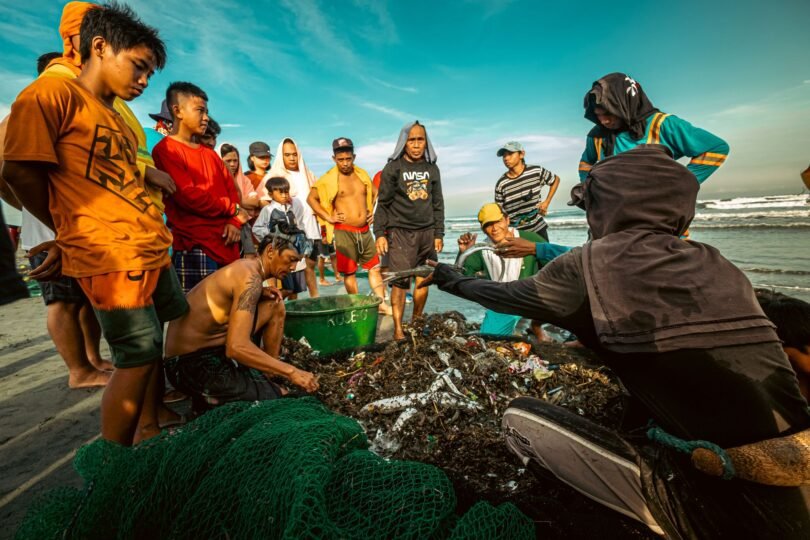
According to the company’s announcement, 2GO sent volunteers to Cagayan de Oro, Zamboanga, Davao, Cebu and Manila. All five are port cities, which suits a company whose ships and trucks connect the islands. Teams worked along shorelines picking up waste and keeping nearby communities clean.
In Manila, the volunteers collected 207 kilograms from their cleanup sites. Across every participating location, 2GO estimates that its 149 volunteers diverted roughly 768 kilograms of coastal waste. The company presents these figures as estimates, so they indicate scale and are not an audited total.
How the SM Cares partnership has grown
2GO says it has worked with SM Cares on the ICC since 2023, so this year’s activity is part of a repeating partnership. The company’s account suggests its support has widened over time. It contributed cleanup sacks in 2024 and 2025, began providing logistics for heavy-duty weighing scales in 2025, and added protective gloves for volunteers this year.
The pattern is a company moving from volunteer hours alone to supplies, and then to the harder job of getting equipment to several cities at once. That last step is where a logistics company has a real advantage over most volunteer groups.
The numbers behind the 2GO coastal cleanup
Every figure below comes from 2GO’s announcement.
| Measure | Figure |
|---|---|
| Employee-volunteers | 149 |
| Cities | 5 (Cagayan de Oro, Zamboanga, Davao, Cebu, Manila) |
| Waste collected in Manila | 207 kg |
| Estimated waste diverted, all sites | About 768 kg |
| Partnership with SM Cares for the ICC | Since 2023 |
Dividing 768 kilograms by 149 volunteers gives roughly 5 kilograms per person. That is our own arithmetic, not a number from 2GO, but it shows how quickly a modest group adds up. Manila’s 207 kilograms is about a quarter of the total, which suggests the other four cities together collected the larger share.
How to read a cleanup number
Treat any cleanup total as a snapshot. It covers one day at the sites that took part, and 2GO labeled its own figure an estimate. Weight also favors heavy items, so a total in kilograms says little about how many small plastic pieces were picked up. A per-person average hides the fact that some volunteers worked a badly littered stretch while others had a clean one.
None of that makes 768 kilograms unimpressive. It means the number works best as a starting point for questions, such as how the next cleanup can count items by type and compare the same sites year after year.
Beyond the shoreline: what 2GO donated and delivered
The most interesting part of the announcement is that 2GO did more than send people. The company donated protective gloves this year, and it provided end-to-end transportation and logistics for heavy-duty weighing scales, delivering them to cleanup sites nationwide. Because 2GO moves cargo across the archipelago for a living, shipping equipment to several cities is routine work for it.
Weighing matters because cleanups produce data. Waste that is weighed and recorded at each site lets organizers compare locations and years, and shows where to send volunteers next.
What happens at a cleanup site
Every organizer runs things a little differently, but a site usually follows a similar order. Volunteers sign in and get a short safety briefing. They collect trash along an assigned stretch, separate recyclables when bins are provided, and bring the bags to a collection point. The waste is then weighed, and items may be tallied by type on a data card.
The scale is what makes a final number possible. That is why delivering scales to five cities was a real contribution and not a side detail.
What is the International Coastal Cleanup?
Each year, usually around September, volunteers in many countries pick up trash from beaches and riverbanks and record what they find, so organizers learn which kinds of litter show up most often.
Counts from many sites are generally pooled into larger reports, so a careful tally at one beach adds to a much bigger picture. That is also why organizers care about recording item types and not only filling sacks.
In the Philippines, schools, local governments, companies and community groups take part. Partnerships such as the one between 2GO and SM Cares connect corporate volunteers and supplies with cleanup sites, which makes it easier for many people to join in.
Why coastal cleanups matter in the Philippines
Filipinos live close to the coast. Fishing, tourism, ferry travel and port work all depend on a healthy shoreline, and so do the small businesses that sell food or souvenirs near the beach. Waste on the sand or in the water cuts into incomes and spoils the beaches families go to for rest.
Trash on the shore often traveled a long way. Litter dropped inland can be carried by drains and rivers and washed out to sea in heavy rain. A cleanup removes what has already arrived. Stopping waste at the source is the longer fight.
For a transport company the link is direct, since passenger ships and cargo vessels use the same coastal waters and ports that the volunteers cleaned.
How you can join a coastal cleanup near you
You do not need to work for a big company to help. Many cleanups welcome walk-ins, and local government units, barangays and schools often organize their own. The steps below come from common cleanup practice, not from 2GO.
- Find an event. Ask your barangay, school, church group or workplace, or look for announcements from your city environment office.
- Register if required. Organizers often need headcounts so they can prepare gloves and sacks.
- Dress for the shore. Wear closed shoes, a hat or cap, sunscreen and light, long-sleeved clothes.
- Bring water and a reusable bottle. Cleanups can be hot and tiring, and you should avoid creating more waste.
- Use gloves. Never pick up trash with bare hands.
- Stay away from hazards. Leave sharp objects, broken glass, medical waste and unknown containers to the organizers or trained staff.
- Sort as you go. Separate recyclables from general waste if the organizers have set up bins.
- Record what you find. Counting items helps the data that cleanups collect.
- Watch the tide and weather. Follow the safety instructions and do not wade into deep or rough water.
- Bring the lesson home. Reduce single-use plastic in your own routine so there is less to clean next year.
Can I join the next cleanup?
Yes. Your barangay, school, workplace or city environment office is the quickest place to ask.
If nothing is scheduled nearby, a small group can run its own. Pick a stretch of shore or riverbank, tell the barangay hall beforehand, bring sacks and gloves, and weigh or at least count what you collect. Ten people on a Saturday morning will not match a corporate turnout, but they leave a record that you can repeat next month and compare against.
Cut down waste before it reaches the sea
Cleanups matter, but the cheapest waste to deal with is the waste that never gets dropped. Ferry and roll-on roll-off passengers can start with a refillable bottle and food in reusable containers, since plastic bottles and layered snack wrappers are common shoreline finds. Hold on to your wrappers until you reach a proper bin at the terminal or on board, and never throw anything overboard. At the port, skip disposable cutlery and extra bags.
At home, sorting paper, plastic and food waste makes it more likely that recyclables are recovered instead of ending up in a drain. Old batteries and used oil belong at proper collection points, not in a heap near a creek. If you see someone littering at the beach or terminal, a polite reminder sometimes works. These are general tips, not rules from 2GO or any other operator.
Families can make a game of it. Kids often enjoy being the “trash monitor” on a trip and reminding adults to use the bin, and if every passenger and beachgoer did a couple of these things, less waste would wash up on our shores over time.
What employers can take from this
A turnout of 149 employees is a lot of volunteer hours, and the gloves made those hours safer. 2GO also helped in the way it knows best, by moving equipment to where it was needed. Smaller businesses can do the same at their own scale. A cafe near the beach could donate drinking water for volunteers, and a school might turn the day into a lesson on waste segregation. An employer that runs its own cleanup can borrow the data habit as well: weigh the haul, record it, and publish the number along with its limits.
Frequently asked questions
How many volunteers did 2GO send?
149 employees.
Where did the 2GO coastal cleanup take place?
In five port cities: Cagayan de Oro, Zamboanga, Davao, Cebu and Manila.
How much waste was collected?
Manila’s volunteers collected 207 kilograms. For all sites combined, 2GO estimates about 768 kilograms were diverted, and the company’s own announcement is the only source for those figures.
Who partnered with 2GO?
SM Cares, which has been its ICC partner since 2023.
Figures come from 2GO’s published announcement and are the company’s own estimates. The checklist and general background are common guidance, not statements from 2GO.